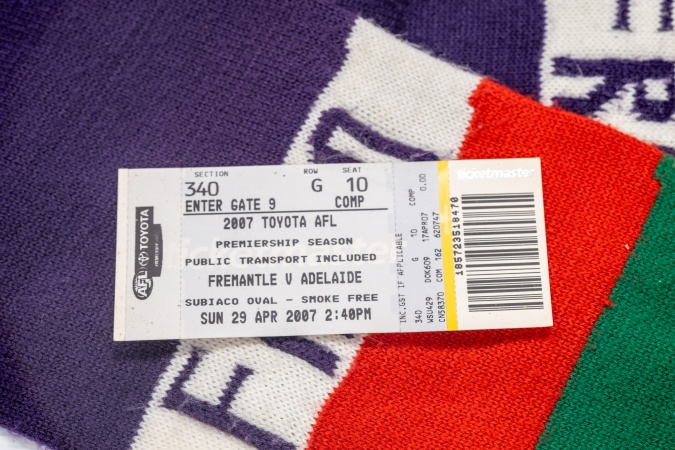
Having finished on top of the AFL ladder at the end of the 2026 regular season, the Fremantle Dockers are setting sail on a journey to win their maiden AFL premiership flag in September. Although, as the State Library’s archive reminds us, this won’t be the first time a Fremantle football club has taken home an Australian Rules premiership!
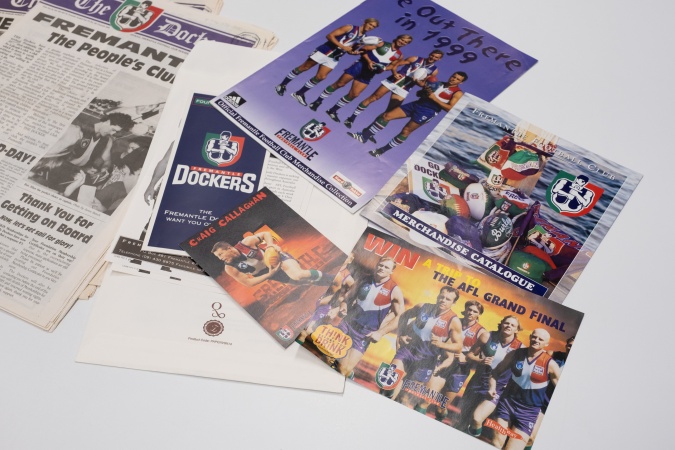
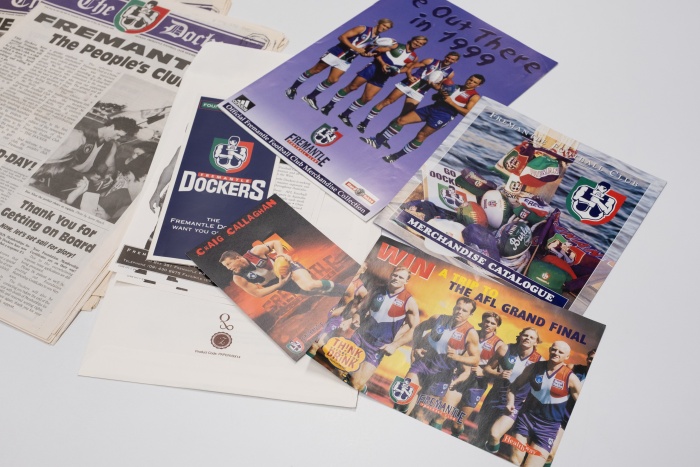
The State Library’s collection of ephemera also offers a fascinating, kitsch-filled, insight into the historic evolution of the Dockers visual identity. Jump aboard with us for a rollicking history of football in Fremantle.
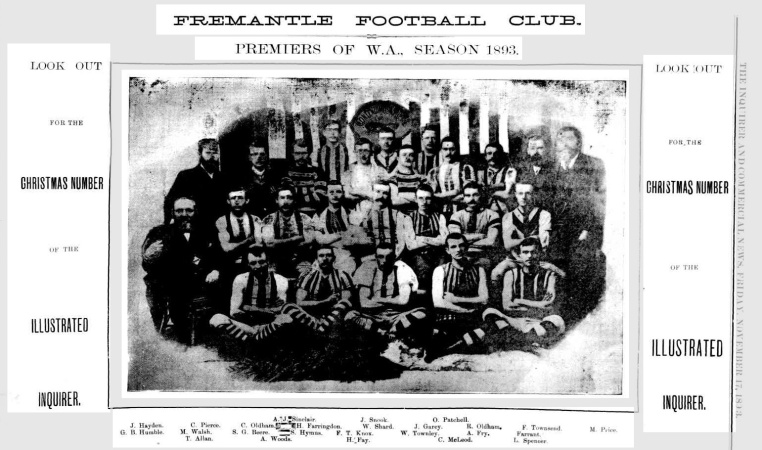
Established in 1882, the original Fremantle Football Club was one of the founding members of the Western Australian Football Association (WAFA), which would later become the Western Australian Football League (WAFL). Starting in 1885 the WAFA originally consisted of three clubs, Fremantle, Victorians and Rovers. A second Fremantle based club, Unions, joined the league in 1886, the year Fremantle claimed their first premiership.
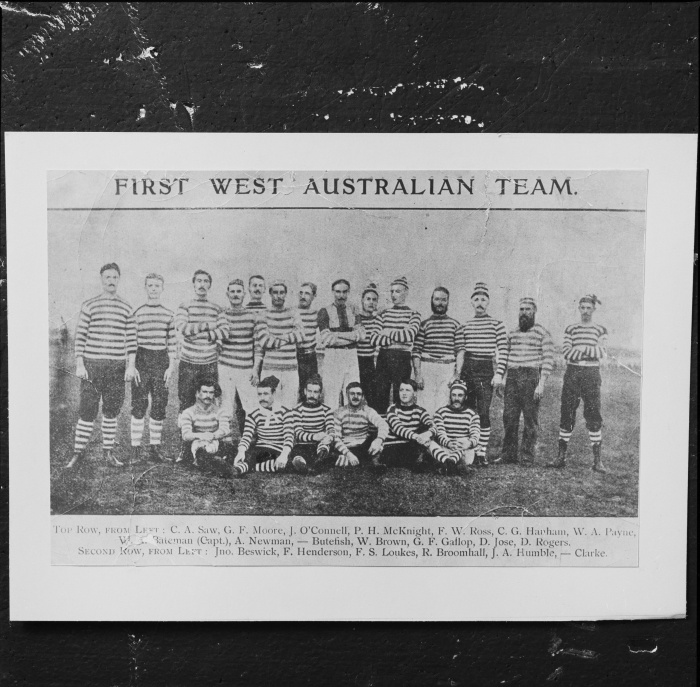
The origins of Australian Rules Football in WA can be traced to a visit by two military companies of the Second Battalion Fourteen Foot (Buckinghamshire). Having played a football match in Melbourne the previous year, the visiting soldiers brought their knowledge of ‘the Victorian code’ with them to WA, meeting a team of locals over two days in 1868. Despite the visitors winning, interest in the code was bubbling and the first matches in Fremantle soon followed. As reported in The Inquirer and Commercial News:
“A very interesting football match took place between the Temperance Society and the Town of Fremantle, on Wednesday last, which resulted in the defeat of the latter, the Temperance Society winning 2 games out of 3. Everything passed off in a particularly pleasant manner.” Wednesday 21 October 1868
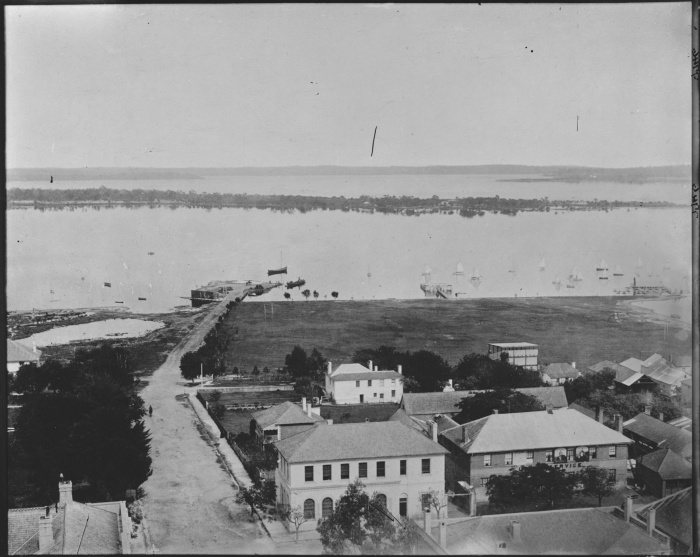
After the departure of the Fourteen Foot, football continued to be played in a disorganised fashion through the 1870s. However it was rugby – not ‘Victorian football’ – that threatened to be this State’s dominant code. Newly arrived English public school Old Boys encouraged the playing of rugby and founded the first club at Bishop's Collegiate School (now Hale School) in 1881. This inspired the formation of several new ‘football’ clubs, with most opting to play the British code (rugby). However, one club, Unions, bucked this trend by being the first to adopt the Victorian rules – a consequential moment in our State’s history.
As moves were made to establish a football league, there was significant public debate around whether WA should stick with rugby due to the influential 'Rugby men' or join the other southern colonies to adopt the new 'bouncing' Victorian code. The outcome was settled when Fremantle became the first club to switch codes. Other clubs soon followed and it was formalised at an annual meeting of the WAFA that Western Australia had become an Australian Rules state.
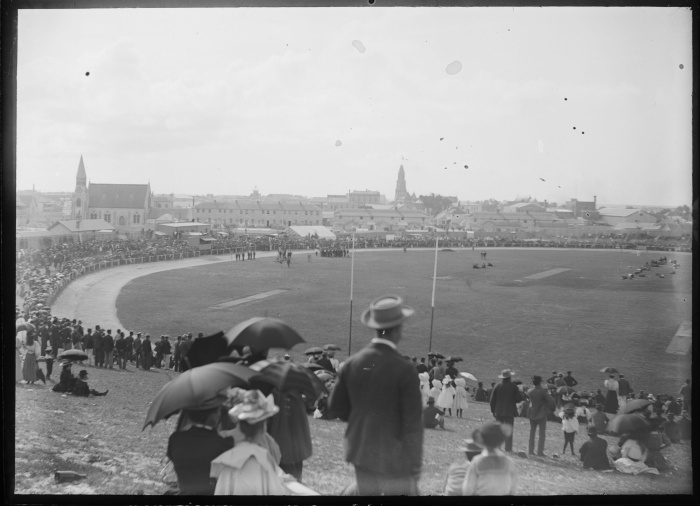
The first Fremantle Football Club folded just two years into the competition, with the Unions soon changing their name to Fremantle. These two Fremantle clubs dominated the league winning 11 of the first 14 seasons. When Unions folded in 1899, their absence was filled by the formation of East Fremantle, South Fremantle and North Fremantle (who withdrew during WWI).
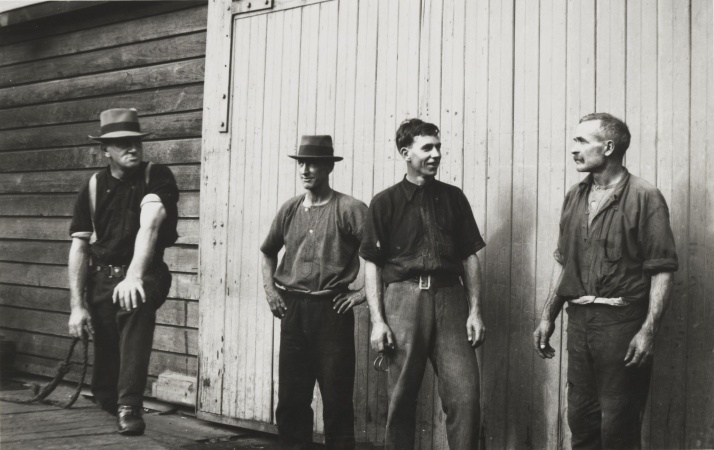
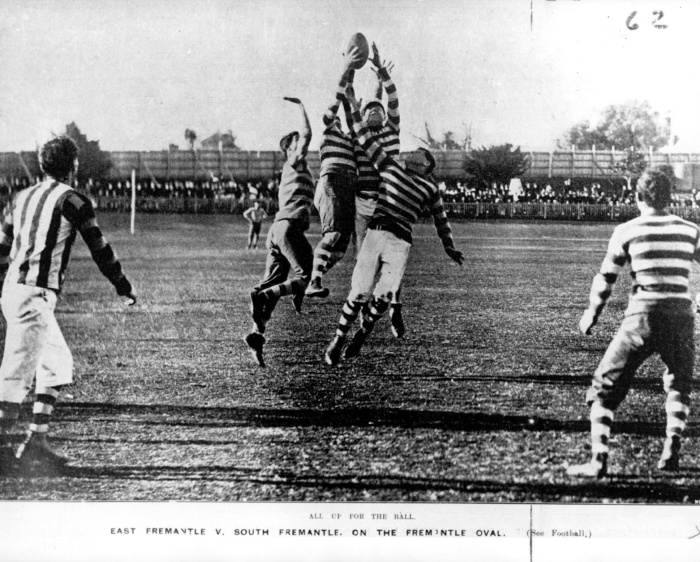
East and South Fremantle have won a combined total of 45 WAFL premierships since, with 'Old Easts' the most successful club in the league’s history. As well as their success on the field these two iconic clubs represented neighbouring parts of the same community, both with strong working-class identities linked to the port. Many players split their time working as lumpers on the docks and representing their clubs and it was this deep connection to the community that motivated a fierce rivalry.
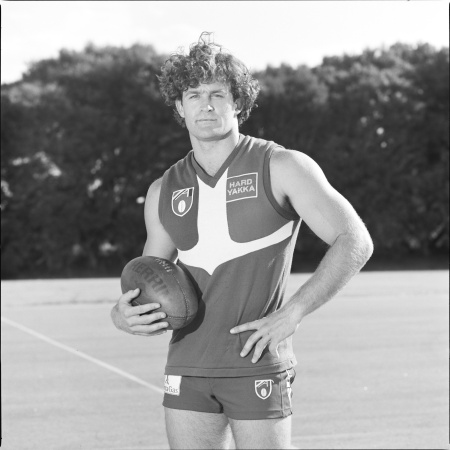
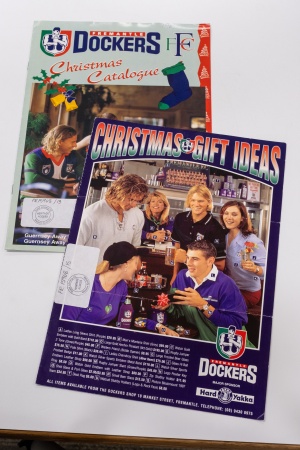
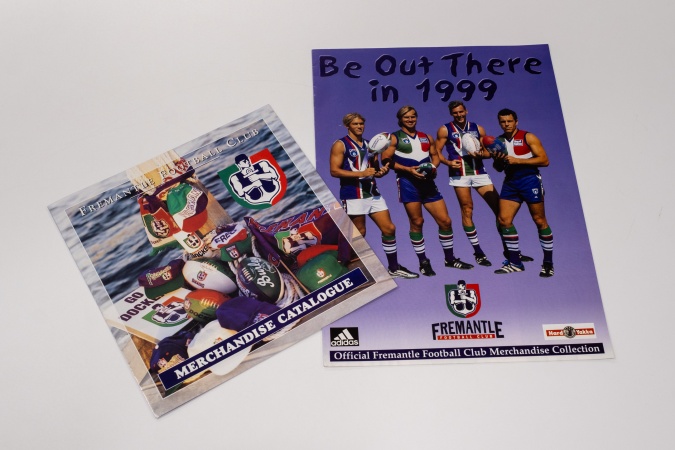
Following the establishment of a national Australian Football League in 1990, the impressive footballing history of Fremantle was finally recognised, and today’s Fremantle Football Club was founded in 1994, debuting in the 1995 season. Taking inspiration from the city's port identity, they adopted the moniker the Dockers after the lumpers who worked the wharf. Red and green were chosen to symbolise the maritime signals for Port and Starboard, with a white anchor planned to be paired with the Navy blue of a wharfies singlet. However, the navy blue was replaced by a bold purple and a white anchor to create a striking new look, representing the fresh energy the Dockers wanted to bring to the AFL. Beloved by fans and collectors, catalogues of this early Dockers merchandise are now treasures of the State Library collection.
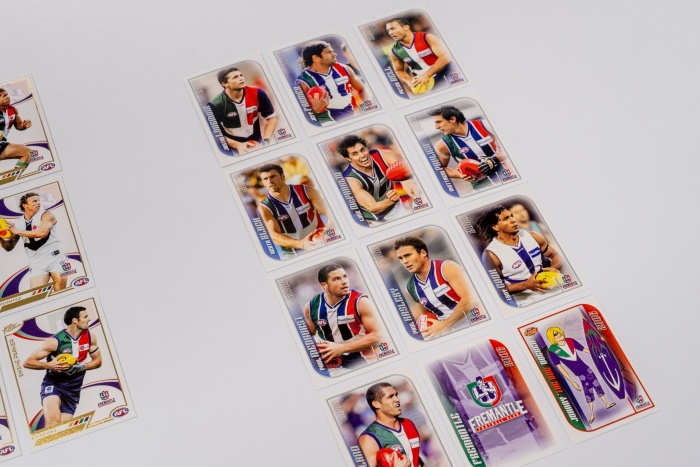
Unlike the 1800s version of the Fremantle Football Club, the early years of the Dockers enjoyed limited success, with the club qualifying for finals just twice in its first 15 years. But it was in these years that the spirit and identity of the club was forged as the club battled to chart its course.
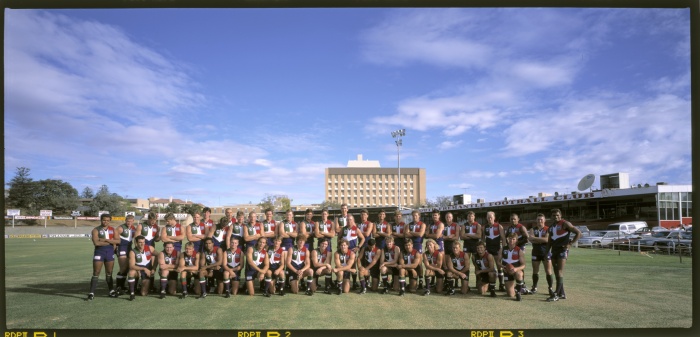
Reflecting a new era, the club undertook a change in brand in 2011. Red and green were removed, and the anchor was dropped from their guernseys in favour of three white chevrons inspired by the stripes worn by the 1890s Fremantle Football Club.
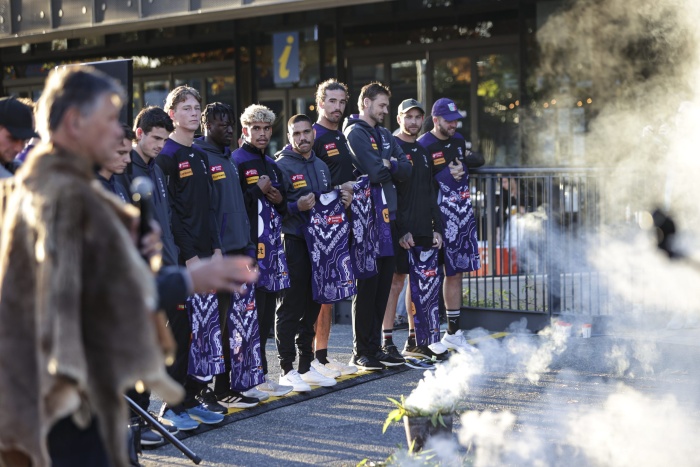
Perhaps imbued by the spirit of the original, the Dockers soon entered their most successful period, qualifying for their first Grand Final in 2013. While they fell short then, will 2026 be the year the premiership finally docks in Fremantle, 140 years on from the first time?